
Why a Preseason Check Matters in Milwaukee
Milwaukee weather can swing fast, and your building needs reliable cooling on the first hot day. A short preseason check will help prevent surprise breakdowns, protect your equipment, and keep energy costs under control. If you manage a facility or own a business, your AC is a core part of worker comfort and customer experience. It also affects productivity, product protection, and indoor air quality. A quick plan for startup can make a big difference in uptime and utility spend across the summer.
Northern Mechanical serves industrial, commercial, and residential clients across Southeastern Wisconsin. Our certified pros focus on reliability and affordability, and we provide 24/7 emergency support when you need it most. If you are searching for commercial hvac milwaukee support, use the checklist below. Then schedule a tune-up to get your system ready for the season.
Your 5-Point Commercial AC Startup Checklist
- Restore safe power and verify controls are set correctly.
- Confirm airflow is clear and filters are serviceable.
- Inspect and clear the condensate path to prevent leaks.
- Check outdoor and rooftop equipment for debris and damage.
- Review safety devices and document a test run.
1. Restore Safe Power and Verify Controls
Start with safety. Confirm the main breakers and the rooftop or equipment disconnects are in good condition. Look for signs of heat damage, loose conduit, or corrosion. Reset tripped breakers only once. If they trip again, stop and call a professional. Repeated trips point to a deeper fault. Next, check that the thermostat or building automation system is set to Cool and that time schedules match your occupied hours. Review the cooling setpoint. For many commercial spaces, 72 to 75 degrees is a good starting point. Make small adjustments as needed after you test run the system.
Review any lockouts or alarms in your control system. Clear old fault histories only after you have documented them. If your space uses multiple zones, verify each zone is enabled for cooling and that fans are allowed to run. If you use occupancy sensors, confirm they are online. In Milwaukee, shoulder seasons can be cool in the morning and warm in the afternoon. A correct schedule and setpoint will avoid overnight cooling when the air is already cool outside.
2. Confirm Airflow and Filter Condition
Good airflow is the backbone of efficient cooling. Walk the space and remove items that block supply registers and return grilles. Look for stacks of inventory, seasonal displays, or furniture that sits too close to vents. Even a small blockage can drive up fan energy and reduce comfort. Check all dampers and louvers that feed outside air. They should move freely. If your system has an economizer, make sure it is not stuck. Economizers can bring in cool outdoor air and reduce compressor run time during mild days, a useful feature for commercial hvac milwaukee buildings.
Now inspect filters. Dirty filters cause high pressure drop that strains fans, lowers cooling capacity, and can freeze coils. If you use standard pleated filters, replace them on the schedule recommended by the manufacturer or sooner if you see dust buildup. If you use higher MERV or specialty filters, make sure the frames are sturdy and seated well. Gaps allow unfiltered air to bypass the media. That adds dust to the coil and ducts and lowers indoor air quality.
3. Inspect and Clear the Condensate Path
A clogged condensate drain is a common reason for water damage during the first hot week of summer. Locate the primary drain pan and drain line. Clear debris, algae, and sludge. If there is a cleanout port, remove the plug and flush the line with clean water until it runs clear. Many facilities add a safe, HVAC-approved drain treatment to slow algae growth. Verify the trap is in place and not cracked. Without a proper trap, negative pressure can hold water in the pan and cause overflow. If your system uses a condensate pump, test it with water and check the float switch operation. Make sure the discharge tubing is secured, pitched correctly, and not kinked.
Take a quick look at any secondary drain pan and float switch under rooftop units or above ceilings. These devices protect the building from leaks and can shut down the system to prevent water damage. Confirm they are wired and free of debris.
4. Check Outdoor and Rooftop Equipment
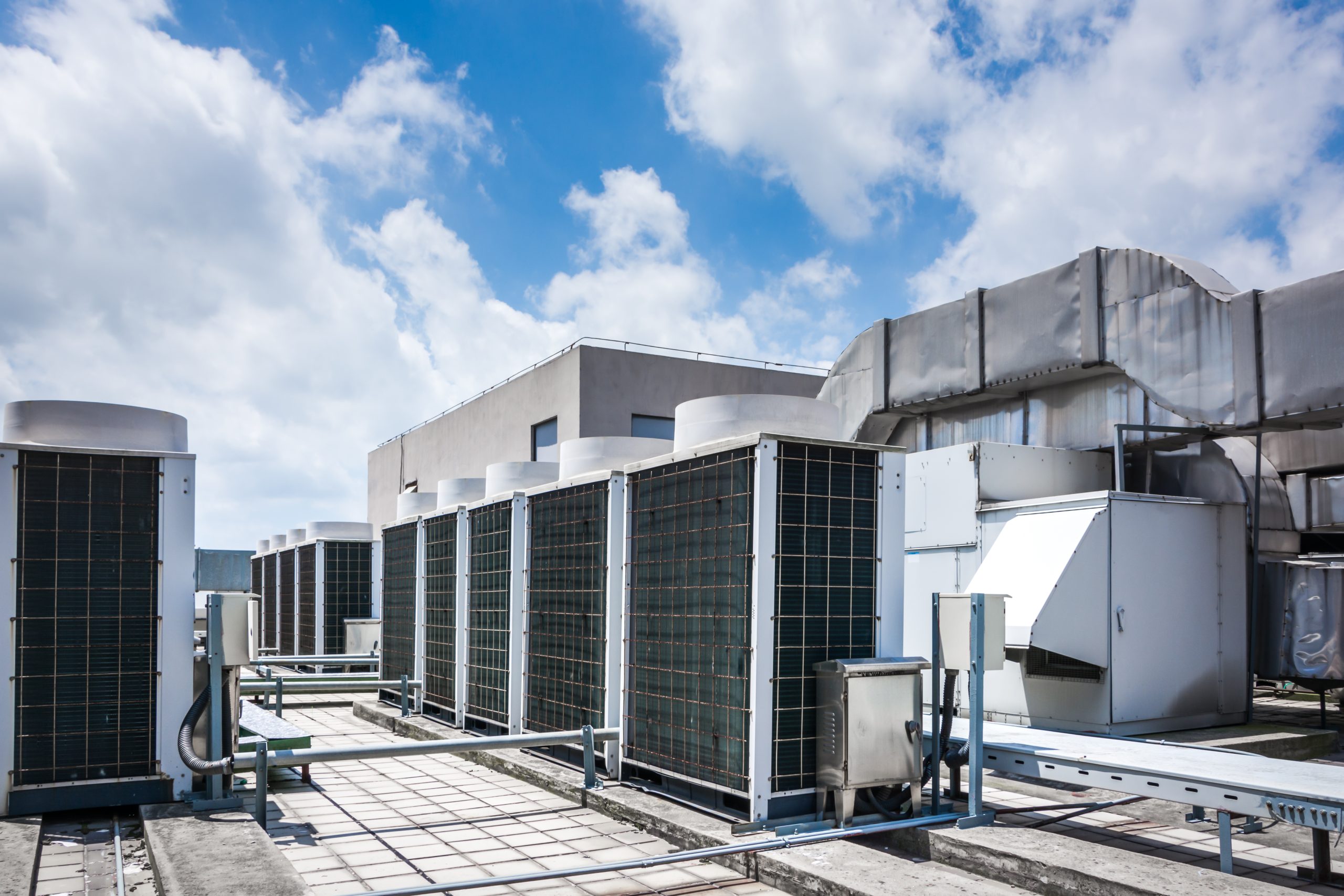
Head to the outdoor condenser or rooftop unit when the weather is dry and safe. Remove leaves, trash, branches, or bird nests from around the cabinet. Keep at least two feet of clear space around intake sides, or the manufacturer’s recommended clearance. Look through the coil fins. If they are matted with dirt or cottonwood fluff, the unit will run hot and waste energy. Light debris can be cleaned with a soft brush and low pressure water applied straight through the fins. Avoid harsh chemicals unless you are trained and follow label directions. Bent fins can be combed straight with a fin tool.
Scan panels and access doors. Replace missing screws and tighten loose ones to keep weather out. Check fan guards and blades. If you see cracked blades, call a pro before startup. Inspect belts if your unit uses them. Look for cracking, fraying, and proper tension. Listen for rattles or grinding when you first test the unit. If your system has sight glasses or service ports, leave them alone unless you are licensed to work on refrigerant circuits. Low refrigerant will harm compressors, but adding refrigerant without proper diagnosis is risky and may violate regulations. This is the point where Northern Mechanical can help. Our certified team performs full tune-ups, coil cleaning, and operational checks to keep your rooftop gear safe and efficient.
5. Review Safety Devices and Document a Test Run
Safety first. Confirm that access doors are closed and that safety switches and guards are installed. If you have smoke detectors tied into the HVAC, verify they are serviced on schedule. Check the emergency shutoff locations and make sure staff knows where they are. When ready, start the system and let it run for at least 15 to 20 minutes. Record the supply and return air temperatures at the unit or at representative grills. A typical temperature drop across a well running system is often in the range of 16 to 22 degrees, but actual targets can vary. Note any unusual noises, odors, or vibrations.
Write down the date, ambient conditions, filter status, and any alarms. Keep these records in your maintenance file. Data helps you spot trends and justify proactive service. If you see frost on the coil, water dripping in the wrong place, short cycling, or repeated breaker trips, shut down and call a professional. Northern Mechanical offers 24/7 emergency help across Southeastern Wisconsin, so you are covered day and night.
Benefits of a Simple Startup Routine
A 30 to 60 minute startup routine can save you money all summer. Here is what you gain:
- Fewer breakdowns and service calls
- Lower energy bills from better airflow and clean coils
- Better comfort and more stable indoor humidity
- Cleaner air with correct filter fit and fresh air settings
- Longer equipment life and fewer surprises
Small steps like filter checks and drain cleaning are low cost. They also set your maintenance contractor up for success when they arrive for a tune-up. When you search for commercial hvac milwaukee, look for a team that values preventive work and documents every visit. That is how Northern Mechanical approaches every job.
DIY Checks vs Professional Tune-Ups
Some tasks are safe and smart for building staff. Others are best left to certified technicians. Use this simple guide.
Good DIY Tasks for Facility Teams
- Restore power and verify thermostat or BAS schedules
- Remove obstructions from vents and returns
- Replace standard filters and confirm correct fit
- Clean the condensate pan and flush the drain line
- Clear debris around outdoor units
- Document a short test run with basic observations
Tasks for Certified Professionals
- Refrigerant diagnostics and leak checks
- Comprehensive coil cleaning and fin straightening
- Electrical testing, capacitor checks, and amp draws
- Belt alignment, motor bearings, and fan balancing
- Control calibration and economizer commissioning
- Combustion checks on packaged units with heat
When you book service with Northern Mechanical, you get a detailed report, clear pricing, and skilled technicians who work safely and efficiently. We help you plan repairs and upgrades so your budget stays on track. For fast response in the commercial hvac milwaukee area, our team is ready 24 hours a day.
Best Timing for Milwaukee Buildings
Schedule your preseason checks in early spring before the first heat wave. That timeframe gives you better appointment availability and time to approve any needed repairs. If your operation is mission critical, consider quarterly filter and drain checks through summer. Local factors like cottonwood season near the Menomonee Valley or lakefront humidity can load coils and drains faster. A short midseason visit can keep your system clean and efficient.
Common Mistakes to Avoid
- Starting the AC with winter covers still on rooftop units
- Skipping the drain inspection and flooding a ceiling
- Blocking returns with stacked boxes or seasonal displays
- Running with a thermostat set too low and causing short cycling
- Forgetting to reset occupancy schedules after holiday hours
- Ignoring small noises or odors during the first test run
These mistakes are easy to avoid with a simple checklist and a partner who understands your building. Northern Mechanical helps facility teams prevent problems before they spread.
Simple Upgrades That Pay Off
While you prepare for cooling season, consider low effort upgrades that boost comfort and cut costs:
- Install high quality filter racks or gaskets to reduce bypass air
- Add float switches if your condensate system lacks a safety
- Upgrade thermostats to smart or networked controls for better scheduling
- Tune your economizer for free cooling on mild Milwaukee days
- Seal obvious duct leaks to improve airflow and reduce dust
These changes require modest investment and often pay back within a season or two. Ask Northern Mechanical to review your system and recommend the best options for your site and budget.
Frequently Asked Questions
How often should we change commercial AC filters?
Most commercial spaces do well with filter changes every one to three months. Higher dust loads, long runtimes, or higher MERV ratings can shorten that timeline. Write the change date on each filter and check pressure drop if you have gauges.
What is a normal startup noise?
You may hear a brief fan surge and compressor start sound. Grinding, loud rattles, or sharp metallic knocks are not normal. Shut down and call a professional if you hear them.
Why is my return air warmer than expected?
Blocked returns, wrong setpoints, or heat sources near the thermostat can cause warm return air. Make sure returns are clear and that the thermostat is not near sun or heat equipment.
Can we save energy with a higher setpoint?
Often yes. Each degree you raise the cooling setpoint can save energy without losing comfort, especially if humidity control is good. Start at 73 to 75 degrees and adjust based on feedback.
Your Trusted Partner in Southeastern Wisconsin
Northern Mechanical, LLC is known for quality work, clear communication, and fast response across Southeastern Wisconsin. Our team supports industrial, commercial, and residential clients with reliable service and fair pricing. When your business needs commercial hvac milwaukee expertise, count on our certified pros to keep your systems safe and efficient. We also provide 24/7 emergency services, so help is one call away when the unexpected happens.
Get Ready for Cooling Season Today
Use the five point checklist to prepare your system. Then book a professional tune-up to catch hidden issues and optimize performance before the first heat wave. Northern Mechanical will inspect controls, confirm safe operation, clean coils, verify drains, and document results. That means fewer surprises, better comfort, and lower utility bills for your facility. If you are searching for commercial hvac milwaukee services you can trust, schedule your preseason visit with Northern Mechanical today. We are ready to help you protect your equipment and your bottom line all summer long.


