
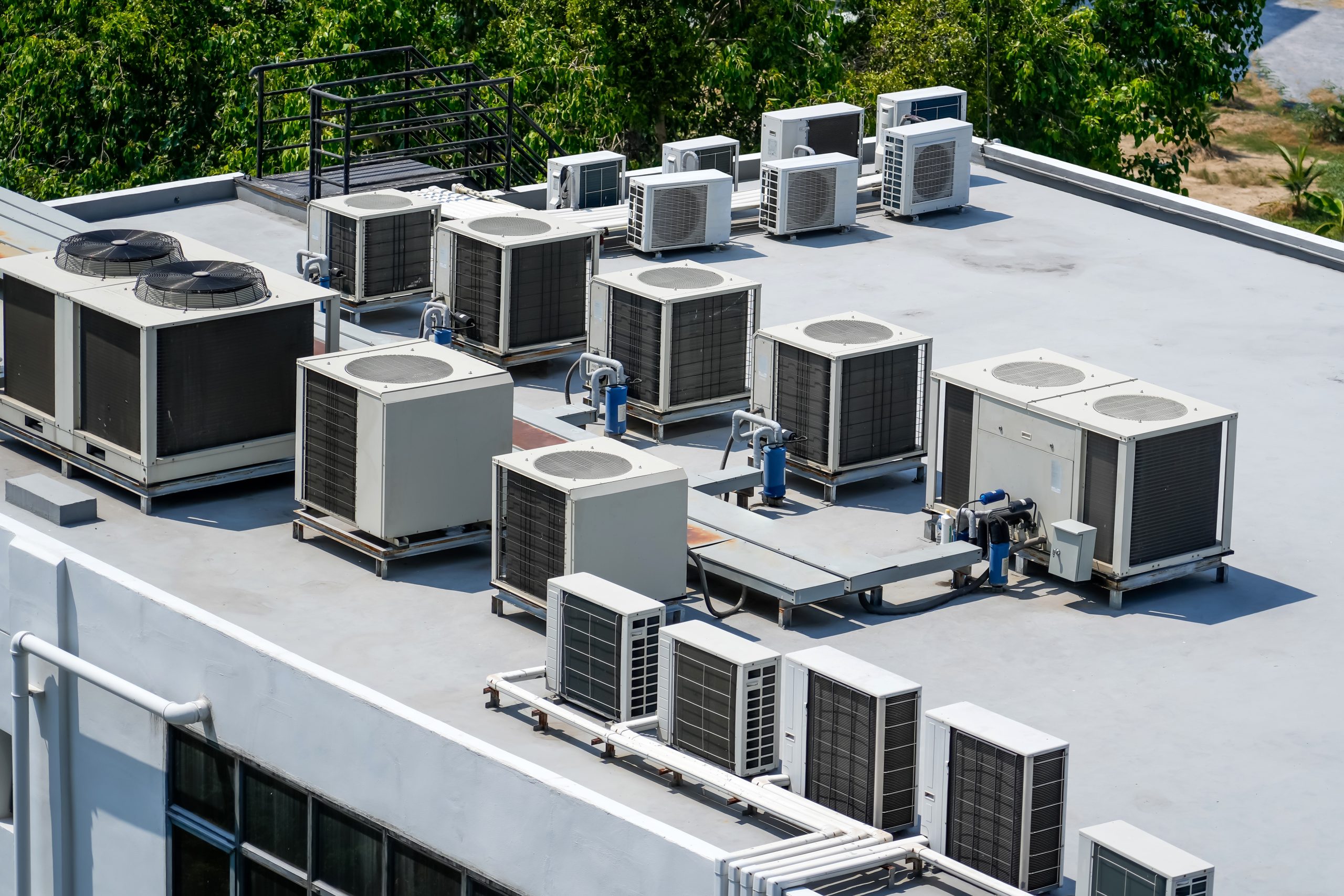
When outdoor temperatures swing toward summer, many Kenosha offices start to see the same pattern. Some rooms feel stuffy and warm while others feel chilly. These hot spots and cold zones frustrate teams, drag down productivity, and strain your HVAC equipment. The good news is that a few smart steps can even out temperatures and lower energy costs before the first heat wave arrives.
Northern Mechanical, LLC serves industrial, commercial, and residential clients across Southeastern Wisconsin with reliable, affordable mechanical solutions and 24/7 emergency support. Our certified professionals focus on high-quality workmanship and customer service. This guide brings that same service-focused mindset to help you solve office hot spots now, so your team stays comfortable all summer.
Why Office Hot Spots Happen in Kenosha Buildings
Before you fix hot spots, it helps to know why they happen. In our region, buildings face lake-driven humidity, spring temperature swings, and sun exposure that changes by the hour. Common causes include:
- Blocked or covered supply and return vents that choke airflow
- Poor thermostat placement, like near a window, copier, or exterior door
- Unbalanced dampers or VAV boxes that favor one zone over another
- Leaky ducts that lose cooled air before it reaches the space
- Dirty filters or coils that reduce system output and airflow
- Space changes, like new cubicles or conference rooms, that were never rebalanced
- High internal heat loads from servers, printers, and lighting
A focused plan can correct these issues fast. Use the five strategies below to get ahead of summer and improve your heating and cooling kenosha performance across the entire office.
Way 1: Balance Airflow and Clear the Paths
Air has to move freely to cool evenly. Balancing is the process of adjusting duct dampers and diffusers so each space gets the right amount of air. Start with quick checks that remove obvious obstacles, then fine-tune with professional testing.
Quick checks your team can do this week
- Walk the space and confirm every supply and return vent is open and uncovered.
- Rearrange furniture and plants that sit below or in front of diffusers and returns.
- Look above ceiling tiles for kinks, crushed flex duct, or disconnected runs.
- Vacuum vent grilles and replace clogged filters on schedule to boost airflow.
- Make sure doors have proper undercuts so air can return to main corridors.
- Use adjustable diffusers to redirect air where people actually sit.
When to call a pro for test and balance
If hot spots persist after the quick checks, a professional air balance is the next step. A certified technician uses airflow hoods and manometers to measure actual CFM at each grille, then tunes dampers and VAV settings to match design targets. This not only evens out temperatures, it can also lower fan energy because the system no longer needs to overwork to satisfy starved zones. Northern Mechanical can coordinate test and balance as part of a preseason service plan that fits your schedule and budget.
Way 2: Fix Thermostat Placement and Zoning
Thermostats are the brains of your cooling system. If the thermostat lives in a drafty hallway or in full sun, you will chase the wrong temperature all day. Poor zoning can also force large, diverse areas to share one setpoint, which invites hot and cold complaints.
Smart thermostat and zoning steps
- Audit locations. Check for thermostats near windows, exterior doors, copy rooms, or heat-producing gear. If you find one, plan a relocation.
- Add remote sensors. Many modern thermostats can average readings from multiple sensors to avoid overcooling or undercooling.
- Expand zoning where possible. Conference rooms, corner offices with big windows, and server closets deserve separate control.
- Standardize setpoints. Agree on summer cooling targets, like 72 to 74 degrees, and lock out wide swings that waste energy.
- Calibrate. Annual calibration prevents drift so the displayed temperature matches an accurate reading.
Good zoning is one of the best ways to improve heating and cooling kenosha comfort without oversizing equipment. If you are unsure how your zones are set up, Northern Mechanical can review your building layout and help you decide where an extra sensor or zone will make the most impact.
Way 3: Seal and Tune Your Ductwork
Leaky or undersized ducts are a classic hot spot driver. Supply leaks dump cooled air into attics, chases, or interstitial spaces instead of the room you want to cool. Return leaks suck in warm air from above the ceiling, which lowers system performance and can cause humidity issues.
Duct upgrades that make a difference
- Inspect seams and connections. Look for visible gaps at takeoffs, elbows, and plenums. Seal with mastic or UL-listed tape, not cloth duct tape.
- Right-size flexible duct runs. Long, sagging flex duct increases static pressure and cuts airflow. Shorten runs and support them every few feet.
- Tune the return path. Add returns or transfer grilles to rooms that close off, so air can find its way back to the air handler.
- Measure static pressure. A simple static test reveals hidden restrictions. High readings mean the fan is fighting the duct system.
- Clean coils and blower wheels. Dirt buildup reduces airflow as much as a leaky duct. Schedule a full coil and blower cleaning before summer.
Sealed and tuned ducts let your system deliver the right airflow to every room. That pays back with even temperatures, quieter operation, and lower energy use. For many offices in Kenosha, this is the missing piece that finally quiets the hot spot complaints.
Way 4: Reduce Solar Gain and Internal Heat Loads
Even the best-balanced system will struggle if a room absorbs strong afternoon sun or houses multiple heat sources. Manage the heat coming in and generated inside, and you will notice cooler, more consistent temperatures throughout the day.
Mitigate sun and equipment heat
- Install window film or interior shades on south and west exposures. Reflective options can cut solar heat gain by 30 percent or more.
- Set a blinds policy. Train staff to drop shades during peak sun hours, then reopen to maintain daylight without glare.
- Reposition heat makers. Move printers, copiers, and mini fridges out of small rooms with limited supply air.
- Vent server closets. Add dedicated ventilation or a small split system to protect gear and spare the adjacent offices.
- Upgrade lighting. LED retrofits lower heat output and save on electric bills.
- Add plants wisely. Plants are great, but avoid clustering them around thermostats or diffusers where they block air.
These changes are low-cost, and they support the performance of your existing equipment. They are also quick wins that improve comfort in a matter of days, not weeks.
Way 5: Preventive Maintenance and a Pro Tune-Up
Preventive maintenance is your best defense against hot spots and surprise breakdowns. A preseason tune-up catches issues early and sets your system up for smooth summer operation.
Preseason cooling checklist
- Change filters and verify correct MERV rating for balanced airflow and filtration.
- Clean condenser and evaporator coils for efficient heat transfer.
- Inspect belts, bearings, and blower wheels. Replace worn parts and align pulleys.
- Check refrigerant levels and superheat or subcooling according to manufacturer specs.
- Test economizers. Ensure dampers move freely and sensors read accurately.
- Flush condensate lines and confirm traps are clear to prevent leaks and odors.
- Verify controls and BAS schedules. Update occupied hours for summer patterns.
- Confirm safety controls, float switches, and electrical connections are tight.
Northern Mechanical supports Southeastern Wisconsin building owners with service that is reliable, affordable, and available 24/7 for emergencies. Our certified professionals can coordinate the right mechanical services for your site, keep detailed maintenance records, and help you plan smart upgrades over time. A routine tune-up now will improve comfort and extend equipment life, while keeping your heating and cooling kenosha goals on track.
Your Heating and Cooling Kenosha Action Plan
Turn the five strategies into a simple action plan you can execute before the first hot, humid day. Assign owners, set dates, and confirm results.
- Walk-through and quick wins. Clear vents, fix furniture placement, close ceiling gaps, and set blinds routines.
- Thermostat and sensor audit. Relocate problem thermostats and add sensors where needed.
- Duct and airflow assessment. Seal leaks, adjust dampers, and schedule professional balancing if issues persist.
- Load reduction. Address sun control, equipment heat, and lighting upgrades.
- Professional tune-up. Complete preseason maintenance, review BAS settings, and verify comfort after adjustments.
Measure success using a simple temperature spot check. Take readings at key points across your office in the morning and late afternoon for a week. Aim for no more than a 2 to 3 degree difference between zones. If any area still runs hot, you have a clear target for additional fine-tuning.
Common Mistakes That Keep Hot Spots Alive
A few missteps can undo your progress and keep complaints coming. Watch out for these pitfalls as you implement changes.
- Overcooling the whole floor to fix a single hot room. This wastes energy and makes others uncomfortable.
- Closing too many supply vents. This raises static pressure and can reduce cooling elsewhere.
- Ignoring return air. Without a good return path, cool air will never circulate correctly.
- Delaying filter changes. Dirty filters cut airflow and invite coil icing and humidity problems.
- Skipping thermostat calibration. A few degrees of drift can cause chronic hot or cold zones.
Local Factors to Consider in Kenosha
Kenosha buildings face unique conditions that shape how you approach comfort. Lake Michigan pushes humidity higher on hot days, which makes rooms feel warmer even if the thermostat says otherwise. Afternoon sun can hit west-facing offices hard. Spring swings from cold mornings to warm afternoons test older controls that cannot adjust quickly. Accounting for these variables in your setup and schedules will improve outcomes.
For example, consider a morning pre-cool routine on days with forecasted highs. Adjust setpoints slightly ahead of occupancy and use outside air when conditions allow. Then ease back once internal loads rise. Northern Mechanical can help review your controls to match these local patterns so your heating and cooling kenosha system runs smarter, not harder.
When It Is Time to Consider an Upgrade
If you have balanced, sealed, shaded, and maintained your system but hot spots persist, an upgrade may be the right answer. Look for these signs:
- Equipment past typical life expectancy with rising repair costs
- Frequent short cycling or long run times that still do not meet setpoint
- Large spaces controlled by a single thermostat with no practical zoning options
- Duct systems that are undersized and not cost-effective to modify
- Poor insulation or single-pane windows that drive extreme heat gain
Modern systems with variable speed fans and smart controls can deliver even temperatures at lower energy use. A phased plan can target the worst-performing areas first to control costs and minimize disruption. Northern Mechanical can outline a practical path that respects your budget and operations.
FAQ: Heating and Cooling Kenosha Office Hot Spots
How often should I schedule a professional balance?
Any time you remodel, add partitions, or change layouts, schedule a check. Otherwise, plan a balance review every few years or when you notice recurring hot or cold complaints.
Will closing vents in cold rooms push more air to hot rooms?
Closing a few vents can help redirect flow, but closing too many raises static pressure and harms efficiency. Use balancing dampers and diffusers for controlled adjustments, and measure results.
What temperature should I set for summer?
Most offices target 72 to 74 degrees during occupied hours, with a small setback after hours. Consistency is key. Wide swings prompt more complaints and often raise energy costs.
Do window films really help?
Yes. Quality films and well-managed shades significantly cut heat gain in sun-facing areas. Combined with proper airflow and zoning, they can eliminate many hot spot issues.
How does preventive maintenance affect humidity?
Clean coils, correct airflow, and accurate refrigerant levels improve dehumidification. Better moisture control makes spaces feel cooler at the same thermostat setting, which helps balance comfort across zones.
Why Choose Northern Mechanical
Northern Mechanical, LLC is a trusted mechanical partner for industrial, commercial, and residential clients in Southeastern Wisconsin. Our team is known for reliability, affordability, and 24/7 emergency response. We staff certified professionals who deliver quality workmanship and responsive customer care. Whether you need a preseason check, airflow balancing support, or guidance on upgrades, we help you make informed decisions that improve comfort and protect your investment.
We take a service-focused approach. That means clear communication, transparent recommendations, and solutions that match your building and business goals. When it comes to heating and cooling kenosha projects, we bring local expertise and a commitment to doing the job right.
Next Steps: Get Ahead of Summer
Hot spots do not fix themselves. The sooner you act, the easier and more affordable the solution will be. Use the five strategies in this guide to remove airflow obstructions, correct thermostat and zoning issues, seal and tune ducts, reduce internal loads, and complete a professional tune-up. Together, these steps create steady comfort, healthier air, and better energy performance.
Ready to even out your office temperatures and set up a worry-free summer? Contact Northern Mechanical today to schedule your preseason service. We will help you plan and execute the right actions, verify results, and keep your heating and cooling kenosha system running smoothly when it matters most.


