
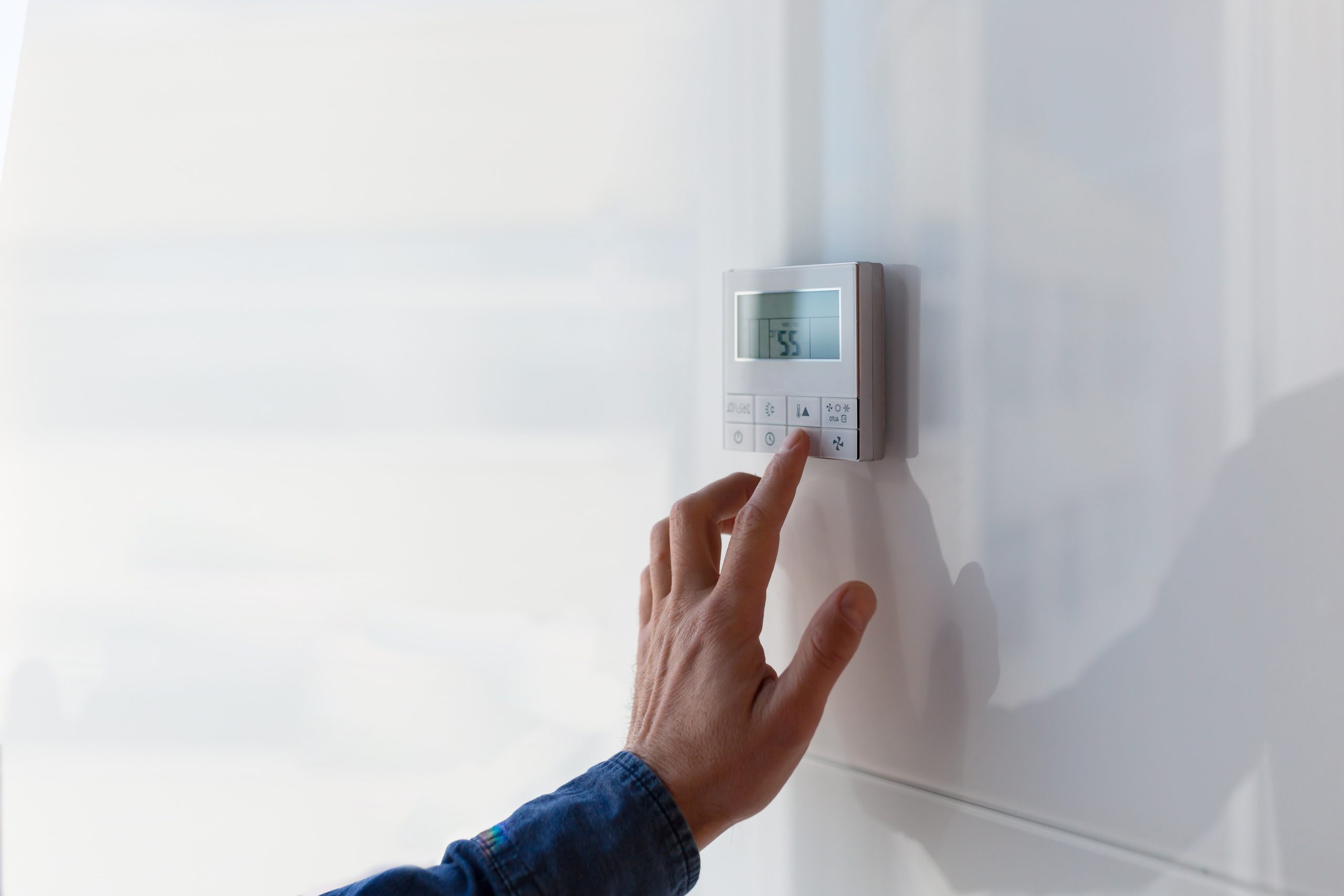
If you manage a facility in Brookfield, spring is the ideal time to prepare your cooling equipment for warmer days. For many property managers searching for hvac service brookfield, a proven process and a dependable partner can make all the difference. This guide from Northern Mechanical outlines a practical, preventative AC checklist built for office buildings, so you can protect your investment, improve comfort, and avoid costly downtime.
Why Spring AC Maintenance Matters for Office Buildings
After a long Wisconsin winter, dust, debris, and wear can build up inside your HVAC system. Waiting until the first heat wave to find problems is a recipe for hot calls, frustrated tenants, and higher repair bills. A spring tune-up helps your cooling equipment start the season clean, safe, and efficient. It also gives you time to fix small issues before they become major emergencies.
- Improve comfort: Balanced airflow and accurate controls keep zones at consistent temperatures during the workday.
- Lower operating costs: Clean coils, proper refrigerant charge, and new filters help the system use less energy.
- Reduce breakdowns: Proactive inspections catch loose belts, clogged drains, and failing parts before they fail.
- Extend equipment life: Well maintained gear runs with less strain, which supports long-term reliability.
- Support healthy indoor air: Clean filters, clear drain pans, and proper ventilation help manage dust and moisture.
Northern Mechanical provides office-focused maintenance and repair across Southeastern Wisconsin, including reliable hvac service brookfield. Our certified technicians follow manufacturer guidelines and proven best practices.
The Complete Spring AC Checklist for Office Buildings
Use this step-by-step checklist to get your systems ready for spring. It applies to common commercial setups like rooftop units, air handlers, split systems, and variable air volume systems.
1. Safety and Power Checks
- Confirm lockout and tagout procedures before starting work.
- Inspect electrical panels for signs of overheating, discoloration, or loose connections.
- Tighten lugs and terminals to manufacturer torque specs where required.
- Check disconnect switches, fuses, and breakers for proper ratings and condition.
- Verify proper grounding and bonding of HVAC equipment.
2. Thermostats, BAS, and Scheduling
- Review occupied and unoccupied schedules to match current business hours.
- Confirm heating and cooling setpoints for each zone. Adjust deadbands to reduce short cycling.
- Test thermostat and sensor calibration. Replace faulty sensors.
- Check network communication between the building automation system and all controlled devices.
- Document any overrides and clear those that are no longer needed.
3. Air Filters and Return Air
- Inspect return grilles and filter racks for dust buildup and gaps.
- Replace filters according to the manufacturer schedule and building needs. Many office buildings select MERV 8 to MERV 13 filters based on air quality goals.
- Confirm proper filter fit to prevent bypass. Use gasketed frames if needed.
- Record filter type, size, and replacement date for maintenance logs.
4. Indoor Units and Rooftop Units
- Open access panels and clear debris from unit interiors.
- Inspect blower wheels for dust accumulation. Clean and balance if needed.
- Check blower motor mounts, vibration isolators, and gasketing.
- Verify blower rotation and speed settings. Adjust drives to meet design airflow.
- Inspect insulation inside units for damage or moisture and repair as needed.
5. Condensate Drains and Pans
- Clear drain lines with a wet vac or line brush to remove buildup.
- Clean and disinfect condensate pans to prevent microbial growth.
- Verify trap configuration and prime traps before startup.
- Test float switches and safety shutoffs to ensure they stop the unit if overflow occurs.
- Confirm proper slope of drain lines and secure hangers or supports.
6. Coils and Heat Transfer Surfaces
- Inspect evaporator and condenser coils for dirt, pollen, and coil fin damage.
- Clean coils using the correct method for the coil type. Use coil-safe cleaners and rinse thoroughly.
- Straighten bent fins to restore airflow where possible.
- Check coil drain pans and under-coil areas for rust or standing water.
7. Belts, Pulleys, and Motors
- Inspect belts for wear, cracks, and glazing. Replace as needed.
- Set belt tension to the correct specification. Over-tension can damage bearings.
- Check pulley alignment and secure set screws.
- Lubricate bearings where applicable and verify smooth rotation.
- Measure motor amperage under load and compare to nameplate values.
8. Ductwork, Dampers, and Airflow
- Visually inspect duct runs for damage, disconnected sections, or missing insulation.
- Test and adjust outside air, return, and relief dampers for smooth travel.
- Confirm VAV box operation, actuator response, and minimum airflow settings.
- Measure static pressure and compare to design values. Adjust as needed.
- Check diffusers and grilles for obstructions and clean if dusty.
9. Economizers and Ventilation
- Verify economizer dampers open and close on command.
- Calibrate outdoor air sensors for dry bulb or enthalpy as designed.
- Set minimum ventilation positions in line with your ventilation plan.
- Inspect linkages, actuators, and seals for damage or binding.
10. Refrigerant Circuit and Cooling Performance
- Check for oil stains at connections and valves that may indicate leaks.
- Measure superheat and subcooling to assess charge and metering device health.
- Inspect service valves, sight glasses, and filter driers. Replace driers if required.
- Test compressor start and run performance and listen for abnormal noise.
- Verify condenser fan operation and clear debris around outdoor coils.
11. Controls, Alarms, and Safety Devices
- Test high pressure and low pressure cutouts.
- Confirm freezestats and discharge air limit switches work properly.
- Review alarm histories in the BAS and resolve repeat alarms.
- Ensure control sequences match current building needs and occupancy.
12. Test Run, Balancing, and Documentation
- Start the system in cooling mode and let it stabilize.
- Verify supply air temperature drop across the coil compared to design.
- Balance critical zones if airflow has drifted from setpoints.
- Record readings for refrigerant pressures, temperatures, motor amps, and static pressure.
- Create a punch list of needed repairs and prioritize by urgency.
Signs Your Office AC Needs Immediate Attention
Even with a good maintenance plan, you should stay alert to early warning signs. Quick action can prevent a minor issue from becoming a major outage during peak heat.
- Warm or uneven temperatures in key zones
- High humidity indoors or musty odors near air handlers
- Water near air handlers or roof units that may indicate a drain problem
- Short cycling, tripped breakers, or frequent alarms in the BAS
- Unusual vibration or grinding sounds from fans or compressors
- Significant increase in energy bills without a known cause
If you notice these symptoms, contact Northern Mechanical for prompt hvac service brookfield. Our team is available with 24 or 7 emergency support and fast response across Southeastern Wisconsin.
Indoor Air Quality Upgrades to Pair with Spring Service
Spring maintenance is a smart time to review indoor air quality needs. Many offices target cleaner air to support comfort and productivity. Consider a few upgrades that work well with a preventative visit.
- Filter strategy: Use the highest MERV rating your equipment can handle while maintaining target airflow and static pressure.
- Sealing and cleaning: Seal bypass around filters and clean return paths to reduce dust.
- Ventilation checks: Confirm minimum outdoor air rates meet your current occupancy and usage patterns.
- Humidity management: Ensure condensate systems are working well and discuss dehumidification needs if humidity often runs high.
- Sensor refresh: Replace aging temperature, humidity, and CO2 sensors to improve control accuracy.
Energy Saving Moves You Can Make This Spring
Small changes add up. Along with the core checklist, these steps can help trim energy costs as cooling season ramps up.
- Update schedules so systems are not cooling unoccupied spaces.
- Widen deadbands where appropriate to reduce cycling.
- Enable economizer free cooling when outdoor conditions allow.
- Use staged cooling or variable speed control to match load.
- Verify night set-back and morning warm-up or cool-down strategies.
- Address air leaks and insulation gaps in ducts and rooftop penetrations.
- Create a filter change calendar to avoid high pressure drops.
How Often Should Office AC Systems Be Serviced
Office buildings benefit from at least two planned maintenance visits each year. A spring visit focuses on cooling readiness and ventilation. A fall visit prepares heating and checks the system after cooling season wear. Facilities with heavy use, sensitive operations, or indoor air quality goals may schedule quarterly checks. Northern Mechanical can tailor a plan around your equipment, occupancy, and budget.
Why Choose Northern Mechanical for hvac service brookfield
Northern Mechanical, LLC provides trusted plumbing and piping services along with comprehensive HVAC support for industrial, commercial, and residential clients in Southeastern Wisconsin. We are known for reliability, fair pricing, and quick response. For office buildings, our preventative approach helps you reduce calls, keep teams comfortable, and protect your equipment throughout the season.
- Certified technicians who follow manufacturer procedures and safety best practices
- 24 or 7 emergency coverage when issues cannot wait
- Clear communication before, during, and after each visit
- Detailed service reports you can share with stakeholders
- Flexible maintenance plans that fit your building’s size and use
Whether you operate a single office or a multi-tenant building, our team brings practical expertise and a service-first mindset. When you need dependable hvac service brookfield, Northern Mechanical is ready to help.
What to Expect During a Northern Mechanical Spring Visit
- Pre-visit review: We review your system history, prior service notes, and any comfort complaints.
- Safety setup: Technicians implement lockout and tagout, then verify power and controls.
- Checklist execution: We work through the spring AC checklist and document all findings.
- Performance testing: We run the system, confirm economizer and cooling functions, and capture key readings.
- Report and plan: You receive a clear report with photos, readings, and a prioritized list of any repairs or upgrades.
- Follow-through: We schedule approved fixes and help plan future maintenance to stay ahead of issues.
Frequently Asked Questions
When should we schedule our spring AC service
Book service as early in spring as possible, ideally before consistent daytime highs reach the 70s. This avoids seasonal rush and gives time to complete any needed repairs before peak demand.
Can our in-house team handle this checklist
Your facilities team can complete basic steps like filter changes and drain checks. For electrical inspections, coil cleaning, refrigerant measurements, and control calibration, a licensed professional is recommended. Northern Mechanical can partner with your staff so nothing gets missed.
How long does a typical spring service take
Timing depends on system size and access. A single rooftop unit can take a few hours. Larger buildings with multiple units or air handlers may take a full day or more. We plan around your schedule to minimize disruption.
Will preventative service affect our warranties
Most manufacturers require regular maintenance to keep warranties valid. Documented service helps support warranty claims if a part fails. Northern Mechanical provides detailed reports to protect your investment.
Schedule Your Spring AC Service
Now is the time to get ahead of the heat. Use this preventative spring AC checklist to guide your in-house efforts, then partner with Northern Mechanical to complete the technical work and performance testing. For dependable hvac service brookfield and across Southeastern Wisconsin, our team is ready with prompt scheduling, clear reporting, and 24 or 7 emergency coverage. Contact Northern Mechanical today to book your spring visit, improve efficiency, and keep your office comfortable all season.
About Northern Mechanical: Northern Mechanical, LLC delivers reliable plumbing and piping solutions along with responsive HVAC support for industrial, commercial, and residential customers. Our certified professionals focus on high quality work and excellent service on every job.


