
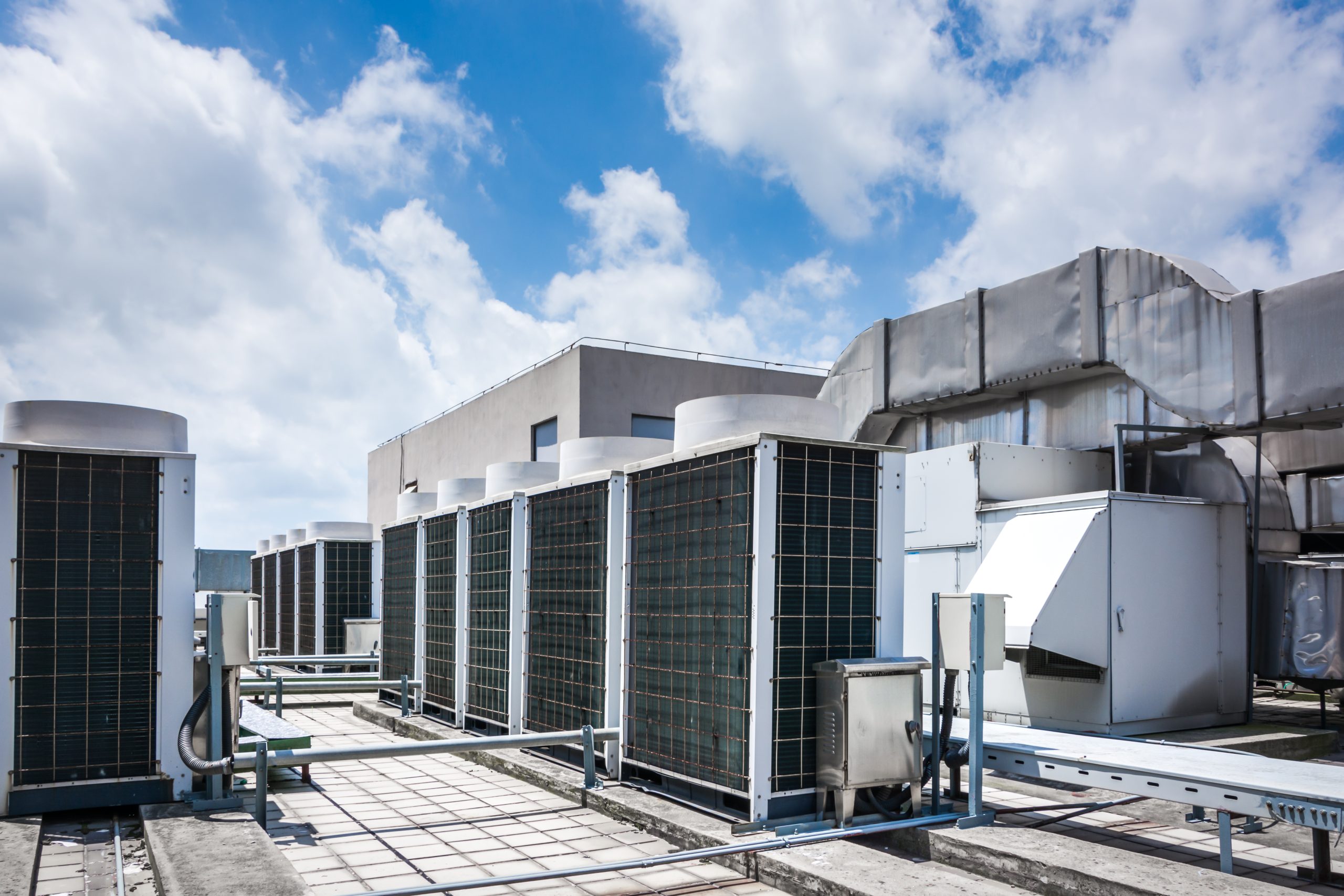
When the forecast jumps to 90 degrees and higher, commercial air conditioning systems in offices, retail stores, industrial spaces, and multifamily buildings face intense strain. Occupants expect a cool, safe environment, but heat, humidity, and heavy use can trigger hidden weaknesses. If you manage a property in Racine or the surrounding area, you know that a failed AC on a peak day can disrupt business and damage critical equipment. In this guide, Northern Mechanical explains the leading causes of commercial AC failure in extreme heat, how to prevent them, and why having a reliable partner for ac repair racine wi is essential for business continuity.
Why 90-Degree Days Push Commercial ACs to the Limit
Extreme heat increases the cooling demand in multiple ways. Heat gains from sunlight, outdoor air, internal loads from people and equipment, and longer run times combine to stress every part of your HVAC system. As compressors, fans, and pumps work harder to reject heat, any small issue can escalate into a major failure.
Peak Cooling Load and Capacity Mismatch
Commercial systems are designed for expected peak load, not endless overload. On 90-degree days, heat infiltrates through roofs, windows, and doors, while appliances and lighting add internal heat. If your system is undersized, if building use has changed, or if economizers are not operating, the system runs at maximum capacity for hours. Prolonged full-load operation accelerates wear, increases power draw, and elevates discharge pressures that can trip safeties or cause compressor damage.
High Humidity Complications
When humidity spikes, the AC must remove moisture as well as heat. Moisture removal requires lower coil temperatures and longer cycles. Coils can freeze from restricted airflow or refrigerant issues, condensate drains can back up, and indoor comfort suffers. High humidity also fuels microbial growth on coils and in drain pans, which further restricts heat transfer.
Heat Island and Rooftop Unit Stress
Rooftop units absorb radiant heat from sun-baked roofs and surrounding surfaces. On concrete or membrane roofs, surface temperatures can soar well above the air temperature. That extra heat makes it harder for condensers to reject heat, which drives up head pressure and taxes the compressor. Inadequate shade, dirty coils, and blocked condenser airflow make matters worse.
The Most Common Causes of Commercial AC Failure in Extreme Heat
Dirty or Clogged Condenser Coils
Condenser coils expel heat to the outdoor air. Dirt, pollen, cottonwood, and grease stick to fins and insulate the coil, forcing the system to run at higher pressures. On a 90-degree day, that can be the tipping point. Symptoms include poor cooling, short cycling, tripped breakers, and loud operation. Regular coil cleaning and fin straightening are critical for performance and longevity.
Clogged Air Filters and Poor Airflow
Dirty filters restrict airflow, which leads to low evaporator coil temperatures and potential icing. Airflow problems also cause poor temperature control and elevated energy use. High-efficiency filters installed without checking static pressure can choke the system. Always choose filters sized for your system and replace them on a schedule that matches site conditions.
Low Refrigerant Charge or Leaks
Even a small refrigerant leak reduces cooling capacity and can cause the evaporator to run too cold, risking coil freeze and liquid slugging. On the hottest days, low charge can keep your system from ever meeting setpoint. A certified technician should locate and repair leaks, verify superheat and subcooling, and recharge to manufacturer specs. Guesswork repairs often lead to repeat failures.
Electrical Failures and Worn Contactors
Contactors, capacitors, relays, and wiring degrade over time. High ambient temperatures raise electrical resistance and magnify weak connections. Failing capacitors can prevent fans or compressors from starting, while pitted contactors cause intermittent operation or arcing. Thermal overloads trip, circuits blow, and your system shuts down at the worst time. Proactive electrical inspections are nonnegotiable.
Oversized or Undersized Equipment
Undersized systems run constantly and still cannot keep up during a heat wave. Oversized systems short cycle, which leads to poor dehumidification, wide temperature swings, and more wear on start-up components. Both scenarios stress the equipment and increase the chance of failure when loads spike. A load calculation verifies whether your system matches current occupancy and usage.
Thermostat and Controls Calibration
Misplaced or miscalibrated thermostats and sensors make the unit chase the wrong targets. A sensor installed near a heat source or in direct sun will call for continuous cooling. Faulty economizer or building automation settings can also force compressors on when outside air could help, or vice versa. Proper calibration and trend analysis reduce unnecessary runtime and protect equipment.
Drainage Backups and Float Switch Trips
High humidity produces a lot of condensate. Algae, debris, or collapsed lines can block drains and trigger float switches that shut down cooling. In mechanical rooms and above-ceiling installations, leaks can damage ceilings, merchandise, or equipment. Regular pan and drain cleaning with biocide tablets helps maintain flow and prevent costly water damage.
Economizer and Ventilation Faults
Broken dampers, failed actuators, or stuck filters in outside air paths will increase indoor temperature and humidity. During shoulder seasons, economizers cut load. In peak heat, improper ventilation can overload your system. Verifying damper position, sequences, and filter condition prevents heat spikes and keeps air quality in check.
Lack of Preventive Maintenance
Skipping maintenance is the top reason commercial ACs fail when it is hottest. Without routine inspections, small issues like a loose belt, a corroded terminal, or a slow leak become emergency calls. A proactive plan minimizes downtime and protects productivity when the mercury rises.
Signs Your System Is Headed for a 90-Degree Day Breakdown
- Supply air feels lukewarm or airflow is weak at registers
- Indoor humidity is high or windows sweat
- Units run nonstop yet spaces never reach setpoint
- Breaker trips, frequent short cycling, or unusual noises
- Visible icing on refrigerant lines or coils
- Water near air handlers or rooftop units
- Energy bills spike without a known cause
Immediate Steps Facility Managers Can Take During a Heat Wave
- Check and replace filters if they are visibly dirty or past schedule.
- Inspect outdoor condensers for debris and clear at least two feet of space around them.
- Confirm thermostats and sensors are not in direct sun or near heat sources.
- Lower internal loads by turning off unused lights and equipment.
- Stagger high-heat processes in industrial settings to reduce peak load.
- Verify drains are flowing and pans are clean to prevent float switch trips.
- Review building automation schedules to align with actual occupancy.
- Call Northern Mechanical for fast diagnostics if cooling does not recover. Quick response can prevent compressor damage.
Preventing Summer Failures With Smart Maintenance
Seasonal Maintenance Checklist
- Condenser and evaporator coil cleaning with appropriate chemicals and straightening fins
- Filter change with correct MERV rating and verification of static pressure
- Belt inspection, pulley alignment, and bearing lubrication
- Electrical testing for capacitors, contactors, relays, and tightening of terminations
- Refrigerant evaluation with superheat and subcooling checks to manufacturer specs
- Thermostat and sensor calibration plus verification of staging and setpoints
- Economizer operation test and outside air damper inspection
- Condensate pan cleaning, drain flushing, and installation of pan treatments
- Fan motor amperage, vibration checks, and airflow measurement
- Compressor megohm testing where appropriate to spot winding issues early
Use Data to Stay Ahead
Modern controls and sensors can alert you before a failure. Trend run time, supply air temperature, suction and discharge pressures, and humidity. Abnormal patterns reveal fouled coils, low charge, or airflow problems. Northern Mechanical can integrate condition-based maintenance into your schedule so you service equipment based on need, not guesswork.
Educate Staff and Occupants
- Keep doors and windows closed to reduce infiltration
- Report water leaks or unusual sounds quickly
- Do not block supply or return vents with furniture or displays
- Turn off nonessential equipment during peak afternoon hours
- Follow thermostat policies to prevent excessive setpoint changes
Special Considerations for Southeastern Wisconsin
Our region sees hot, humid spells often followed by cool nights, which means systems swing between latent and sensible loads. Lake effect humidity, cottonwood season, and pollen can clog coils earlier than expected. Construction dust from summer projects adds another layer. Systems near manufacturing lines face higher particulate and heat loads. Northern Mechanical tailors maintenance and repairs to local conditions so your equipment runs strong through the toughest days.
Rooftop Units in Racine and Kenosha
RTUs are convenient but exposed. Sun, wind, hail, and debris all accelerate wear. Fan belts and bearings fail faster under constant high heat. We recommend mid-summer touchpoints for critical sites, visual coil inspections after cottonwood blooms, and verification that hail guards and screens are secure but not impeding airflow.
Older Buildings and Mixed-Use Spaces
Historic and mixed-use properties often have limited ductwork, varying occupancy, and renovations that change load profiles. Undersized return air paths and aging controls cause uneven cooling. Northern Mechanical conducts airflow studies and load assessments to recommend cost-effective upgrades that stabilize comfort without major disruption.
When to Call the Pros
If you see ice on lines, suspect a refrigerant leak, trip breakers repeatedly, or have water around units, stop and call a certified technician. Continuing to run a struggling system can destroy a compressor. For ac repair racine wi, Northern Mechanical provides 24/7 emergency response with licensed technicians who understand local codes and commercial systems. Fast action often turns a potential replacement into a targeted repair.
- No cooling in critical spaces such as server rooms or healthcare areas
- Repeated short cycling or high head pressure alarms
- Electrical odors, scorched wiring, or loud grinding noises
- Float switch trips or visible condensate leaks
- Persistent humidity complaints and indoor air quality concerns
Why Choose Northern Mechanical for AC Repair in Racine, WI
Northern Mechanical, LLC delivers dependable plumbing and piping expertise as well as comprehensive HVAC solutions to industrial, commercial, and residential clients across Southeastern Wisconsin. Our team of certified professionals is known for reliable, affordable service and top-tier workmanship. We offer 24/7 emergency support, clear communication, and a safety-first approach on every job. When you need ac repair racine wi during a heat wave, our technicians troubleshoot quickly, explain findings in plain language, and get your system back online fast.
- Commercial-focused diagnostics that target root causes, not band-aid fixes
- Thorough coil cleaning and airflow restoration to recover lost capacity
- Refrigerant leak detection, repair, and charge verification to manufacturer specifications
- Electrical testing with documented readings to prevent surprise outages
- Building automation integration and control sequence checks
- Proactive maintenance plans aligned with your operations and budget
- Parts sourcing and rapid dispatch to minimize downtime
Cost and Timing: What to Expect
Repair costs vary based on system size, accessibility, and parts. The best way to control cost is to catch problems early through maintenance and quick response when symptoms appear. Northern Mechanical provides transparent quotes, clear scopes of work, and options that balance immediate needs with long-term value.
- Basic service calls address common issues like clogged filters, minor electrical faults, or drain cleaning
- Mid-range repairs include contactor or capacitor replacement, coil cleaning, and airflow corrections
- Complex work may involve leak repairs, compressor-related diagnostics, or control system reprogramming
- Emergency response is available 24/7 for critical failures, with priority for sensitive facilities
FAQ: Commercial AC and 90-Degree Days
How often should a commercial AC be serviced?
At least twice per year, typically spring and fall. High-use or critical facilities benefit from quarterly or monthly inspections. Coil cleaning, filter changes, electrical checks, and control calibration should be part of every visit.
Can Northern Mechanical service my system after hours?
Yes. We offer after-hours and weekend appointments to reduce disruption, along with 24/7 emergency service when downtime is not an option.
Do you work with building automation systems?
Yes. We troubleshoot sensors, sequences, and schedules, integrate new components, and trend key data to catch issues before they affect comfort or operations.
What brands do you service?
We work on most major commercial brands and models, including packaged rooftop units, split systems, VRF, and heat pumps. Our technicians follow manufacturer guidelines and local codes.
How fast can you respond during a heat emergency?
For ac repair racine wi, our dispatch team prioritizes critical cooling calls and strives for same-day service. We stock common parts and maintain supplier relationships to expedite repairs.
Schedule Service Now
Do not wait for the next 90-degree day to expose a weak link in your cooling system. Whether you manage one retail store or a large industrial campus, Northern Mechanical is ready to help with ac repair racine wi and ongoing maintenance that prevents surprises. Call today to schedule a diagnostic visit, build a seasonal maintenance plan, or request emergency service. Keep occupants comfortable, protect your equipment, and control energy costs with a trusted local team on your side.


