
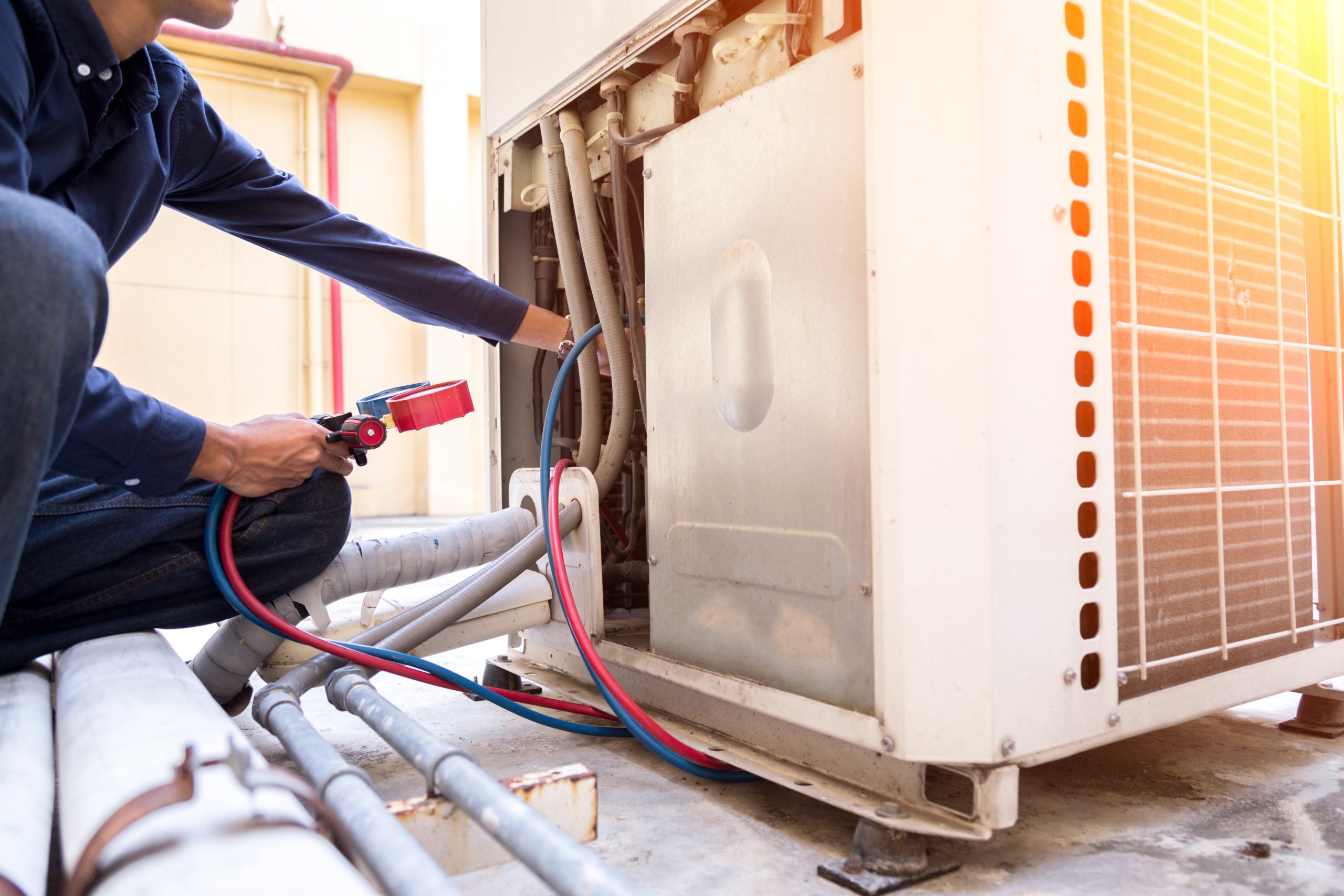
Summer is the best window to take on HVAC projects in K-12 buildings across Wisconsin. Student traffic is lower, the weather is more predictable, and your maintenance teams can access equipment rooms and roof areas without disrupting classes. With a focused plan and the right partners, district leaders can complete high impact improvements in a short time. This guide outlines a practical, school-focused checklist so you can upgrade comfort, air quality, and energy performance before students return. It also explains how Northern Mechanical supports schools with mechanical piping, planning, and 24/7 responsiveness across Southeastern Wisconsin.
Why Summer Is the Smart Window for School HVAC Projects
Summer break gives you a clear runway for noisy, dusty, or power dependent work. You gain scheduling flexibility, which lowers labor costs and reduces risk. Crews can complete shutdowns for boiler or chiller tie-ins, replace rooftop units, flush hydronic loops, and commission controls without endangering indoor conditions for occupied spaces. When you partner early with mechanical contractors wisconsin schools trust, you can lock in materials, align inspections, and wrap up punch lists well before the first bell.
The Wisconsin Climate Factor
Wisconsin schools face wide temperature swings. Classrooms need steady heat in fall and winter, strong dehumidification during humid stretches, and reliable ventilation year round. Systems must handle freeze protection in January, spring pollen and CO2 loads, and late summer heat. Every upgrade should account for this full seasonal picture. That means planning for robust controls, balanced airflow, and hydronic piping that delivers designed flow rates in all conditions.
Your Step-by-Step Summer HVAC Upgrade Checklist
1. Set Goals and Gather Data
Start with clear outcomes so decisions stay focused on student health and operational savings. Use last year’s comfort calls and utility data to guide priorities.
- Define goals such as lower energy use, fewer hot-cold calls, better filtration, higher ventilation, or faster morning warmup.
- Collect baseline data: comfort complaints, energy bills, filter and coil change history, and maintenance reports.
- Document any code or compliance gaps that surfaced during the school year.
- Engage teachers and nurses to identify problem rooms like portable classrooms, gyms, and nurse’s offices.
2. Inspect Existing Equipment
A thorough assessment done early allows smarter budgeting and avoids surprises. Include equipment at the roof, in mechanical rooms, and above ceilings.
- Rooftop units: check cabinet integrity, fans, belts, motors, economizers, compressors, and drain pans.
- Boilers and water heaters: review efficiency ratings, burner condition, venting, controls, safety devices, and water quality records.
- Chillers and cooling towers: verify refrigerant charge, leaks, heat exchanger condition, tower fill, and vibration.
- Hydronic systems: inspect pumps, seals, strainers, expansion tanks, valves, and insulation. Confirm differential pressure and design flow at coils.
- Air handlers and VAVs: test damper operation, actuator health, filters, coils, and condensate drains. Look for corrosion and biological growth.
- Exhaust and energy recovery: verify bathroom, locker room, kitchen, and science lab exhaust flow and wheel or core cleanliness.
- Controls: check sensors, CO2 arrays, time schedules, and graphics. Ensure alarms route to the right staff.
3. Improve Ventilation and Filtration
Balanced ventilation supports learning and reduces absenteeism. Pair correct outdoor air volumes with strong filtration to capture particulates and allergens.
- Confirm outdoor air rates meet ASHRAE guidance for classrooms, gyms, and special spaces.
- Upgrade to MERV 13 filters where fans can handle the pressure drop. If not, consider medium efficiency filters plus portable HEPA units for clinics or music rooms.
- Clean or replace filters on the planned schedule and seal edges to prevent bypass.
- Tune economizers so free cooling works during mild weather without over ventilating.
- Calibrate CO2 sensors and use demand control ventilation only in spaces where it makes sense.
4. Address Cooling and Dehumidification
Many Wisconsin schools see humidity spikes in late summer and early fall. High humidity can damage finishes, warp gym floors, and trigger odors.
- Set supply air temperatures and fan speeds to control humidity, not just temperature.
- Verify condensate drains, traps, and pans are clean and sloped. Add float switches where needed.
- Consider dedicated outdoor air systems that dry the air before it reaches classrooms.
- Inspect classroom unit ventilators for coil cleanliness and seal gaps around access panels.
5. Upgrade Heating and Freeze Protection
Prepare now for the first cold snaps. Focus on hydronic reliability, insulation, and controls that prevent freeze events.
- Service boilers and verify combustion safety, draft, and flue condition.
- Test glycol concentration in systems that need it. Confirm low temperature safeties and alarms work.
- Replace worn pump seals, align couplings, and verify vibration is within range.
- Repair missing insulation on piping and valves to cut heat loss and protect staff.
6. Modernize Controls and Monitoring
Good control strategy often delivers the best payback. Focus on schedules, setpoints, and alarming that matches real use patterns.
- Align occupied schedules with actual summer programming and fall bell times.
- Add night setback and warmup logic to reduce morning peaks.
- Enable supply air resets, hot water supply resets, and static pressure resets.
- Label points correctly and remove stale overrides that hide issues.
- Add trending for key rooms and equipment so you can spot drift quickly.
7. Plan for Energy Efficiency and Rebates
Energy savings offset future budgets while supporting district sustainability goals. Wisconsin programs often reward schools that upgrade HVAC right.
- Evaluate premium efficiency motors, variable frequency drives, and high efficiency boilers or chillers.
- Explore Wisconsin Focus on Energy incentives for HVAC, controls, and demand ventilation measures.
- Consider LED and HVAC coordination so schedules and sensors work together.
- Review refrigerant considerations and plan for equipment that aligns with current regulations.
8. Budget, Scope, and Phasing
Build a plan that reflects your summer window and the most urgent campus needs. Mechanical contractors wisconsin districts trust can help you right-size each phase.
- Prioritize life safety and compliance, then reliability, then comfort, then optimization.
- Bundle work by building or system to reduce mobilizations and downtime.
- Create alternates for add-ons like air quality sensors or portable HEPA units if funds allow.
- Include soft costs such as design, commissioning, TAB, permits, and training.
9. Procurement and Scheduling
Lead times can impact your window. Lock in materials and equipment early to protect the schedule.
- Order long-lead items first like rooftop units, large pumps, or dedicated outdoor air systems.
- Prefabricate hydronic piping spools and valve assemblies to cut field time.
- Stage deliveries to secure on-site storage and protect equipment from weather.
- Schedule power shutdowns and crane picks with local authorities well in advance.
10. Safety, Compliance, and Documentation
Schools must maintain strict safety standards. This includes active construction safety and complete records for future maintenance.
- Follow lockout tagout, confined space, and roof access protocols.
- Use clear barricades and signage to separate work areas from summer programs.
- Document submittals, O&M manuals, as-builts, and warranty terms.
- Complete required boiler and pressure vessel inspections before the heating season.
11. Installation, TAB, and Commissioning
Even the best equipment fails if it is not balanced and tuned. Make testing, adjusting, and balancing part of your base scope, not a last-minute step.
- Balance airflows for classrooms, corridors, and special spaces.
- Verify design water flows at coils and across pumps. Adjust control valves and VFDs as needed.
- Functionally test sequences, safeties, alarms, and schedules.
- Record and trend conditions for at least two weeks to confirm stability.
12. Train Staff and Launch a Preventive Maintenance Plan
Your team should be confident when fall begins. Hands-on training and clear PM tasks protect the investment.
- Hold training in the actual mechanical spaces and within your control system.
- Set filter, belt, and coil cleaning intervals by equipment and school calendar.
- Use a digital checklist for monthly walk-throughs and trend reviews.
- Schedule a 30-day and 90-day check after school resumes to catch any drift.
What to Expect From mechanical contractors wisconsin
Reliable contractors bring a school-first mindset. Expect a structured process that respects your calendar, budget, and safety needs. Mechanical contractors wisconsin school leaders select should offer a turnkey path from scope to handoff.
- Site walk and report that documents risks, options, and payback.
- Transparent pricing with clear alternates for phasing and add-ons.
- Realistic lead-time planning and prefabrication strategies.
- Coordination with facilities, IT, and security teams to minimize disruptions.
- Commissioning and TAB partnerships for measurable results.
- Post-project support, emergency service, and seasonal tune-ups.
How Northern Mechanical Supports Wisconsin School HVAC Upgrades
Northern Mechanical, LLC is a trusted provider of plumbing and piping services across Southeastern Wisconsin. Our certified professionals support industrial, commercial, and residential clients, and we understand the unique demands of K-12 schedules. We combine reliable, affordable service with 24/7 emergency response so districts can count on real help when it matters.
In school HVAC projects, Northern Mechanical focuses on the mechanical backbone that keeps systems reliable. That includes hydronic distribution, piping for heating and chilled water, and domestic hot water systems that serve kitchens, labs, and locker rooms. We coordinate closely with your HVAC equipment vendors and controls partners to deliver a complete solution that performs on day one.
- Hydronic piping replacement, valve upgrades, and insulation repairs that cut energy loss.
- Pump replacements with VFDs, alignment, and vibration checks for quiet, efficient operation.
- System flushing, water treatment coordination, and strainer maintenance to protect coils and boilers.
- Backflow prevention testing and domestic hot water recirculation balancing for safety and comfort.
- Prefabricated piping assemblies to speed summer installs and reduce on-site welding.
- Emergency leak response and after-hours tie-ins that respect summer programs.
- Clear as-builts, valve tagging, and operator training so your team can maintain systems with confidence.
If you need mechanical contractors wisconsin districts rely on for thoughtful planning and dependable execution, Northern Mechanical is ready to help. Our team collaborates with school facilities groups to scope work that fits your summer window and your budget.
Common Pitfalls to Avoid
- Skipping ventilation verification. Many comfort issues are actually airflow balance problems.
- Choosing filters without checking fan capacity. High MERV is only helpful if the fan can move air through it.
- Delaying lead-time orders. A missing actuator or sensor can push a project past the first day of school.
- Overlooking controls cleanup. Lingering overrides and old schedules can waste energy and confuse staff.
- Ignoring water quality. Poor water treatment shortens the life of pumps, boilers, and coils.
- Cutting TAB or commissioning. Without them, you cannot prove results or stabilize performance.
Sample Project Timeline for a Summer Break
- Spring planning, March to April: site walks, goals, and preliminary budgets. Start design and scope definition. Apply for utility incentives where available.
- Procurement, April to May: order long-lead equipment and key controls. Prefabricate piping assemblies.
- School year closeout, late May to early June: finalize safety plan, schedule shutdowns, and stage materials.
- Installation, June to July: complete equipment set, piping tie-ins, insulation, and controls upgrades. Keep daily cleanup and quality checks.
- Commissioning and TAB, late July to early August: balance air and water flows, verify sequences, and trend system stability.
- Training and handoff, mid to late August: train staff, deliver documentation, and set PM schedules.
- Post-occupancy check, September: review trends, tune setpoints, and close punch items.
Frequently Asked Questions
How far in advance should we contact a contractor?
Reach out in early spring or sooner. This gives mechanical contractors wisconsin schools trust time to survey buildings, align budgets, and reserve materials. Early contact also improves your odds of securing crane time and inspection dates.
Can we phase projects over several summers?
Yes. Many districts split scope by building or by system. Start with life safety and reliability, then move to comfort and energy upgrades. A phased roadmap protects learning and spreads costs over budget cycles.
What funding options exist?
Explore capital plans, maintenance budgets, utility incentives, and state programs. Wisconsin Focus on Energy often supports energy saving HVAC and controls measures. Document your baseline so you can qualify and verify savings.
How do we verify air quality improvements?
Use TAB reports and commissioning results to confirm airflow and filtration. Trend CO2, humidity, and temperature in representative rooms for several weeks. Share results with staff to build trust and encourage prompt reporting of any issues.
Get Started Today
The strongest HVAC projects start with clear goals, a realistic plan, and proven partners. As you prepare your summer schedule, bring in mechanical contractors wisconsin facilities teams recommend to verify existing conditions and map out upgrades. Northern Mechanical is ready to support your district with dependable plumbing and piping services, careful planning, and 24/7 emergency response across Southeastern Wisconsin. Contact our certified team to discuss your summer checklist, lock in lead times, and deliver healthy, efficient classrooms by the first day of school.
With a focused checklist and the right help, your school can move into fall with quieter rooms, cleaner air, steadier temperatures, and lower operating costs. Use this guide to set priorities, build your timeline, and coordinate with your partners. Northern Mechanical is here to make the process simple, safe, and successful for Wisconsin schools.


